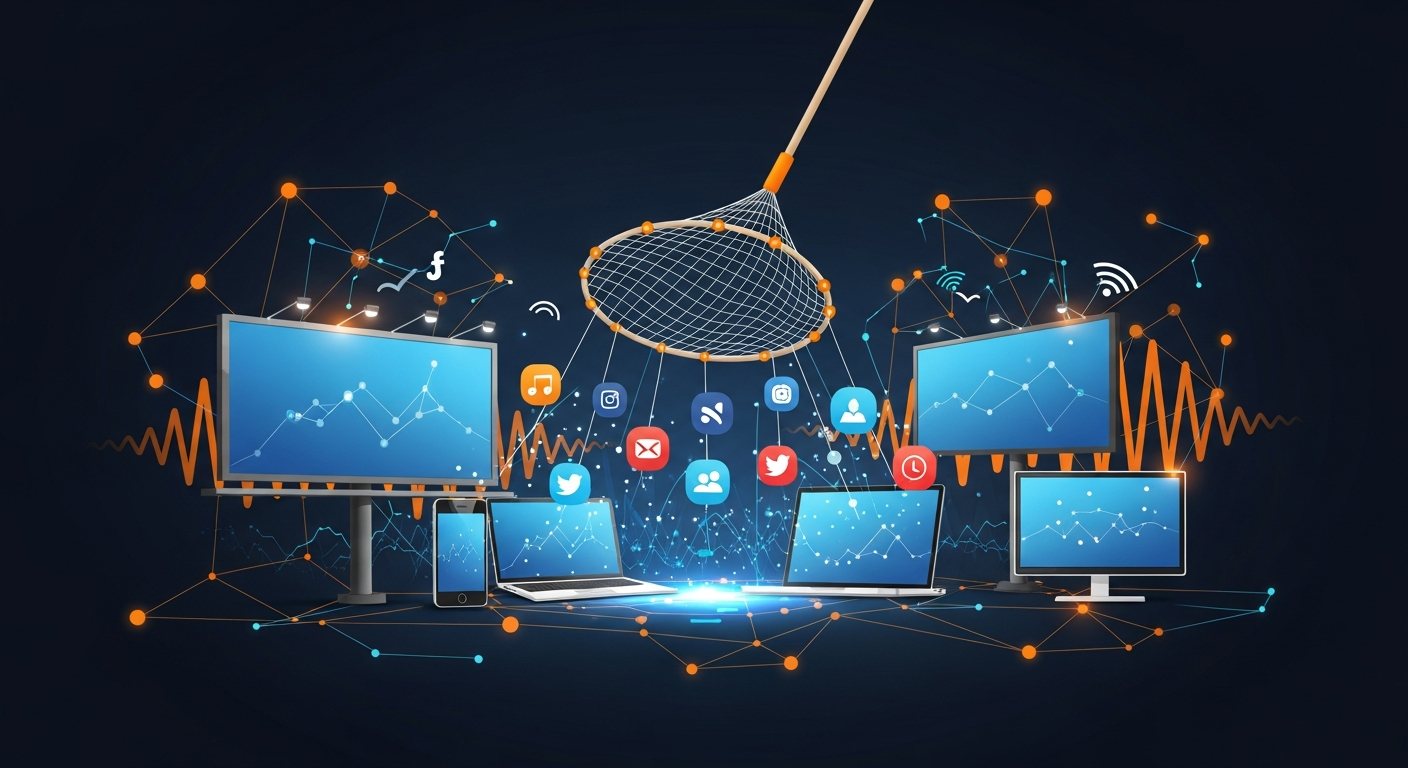
Most local businesses do this: they hear about Google Ads, or Facebook, or maybe SEO — and they throw all their budget at that one channel. Then they wait. Sometimes it works. More often, it doesn't — at least not as well as it should.
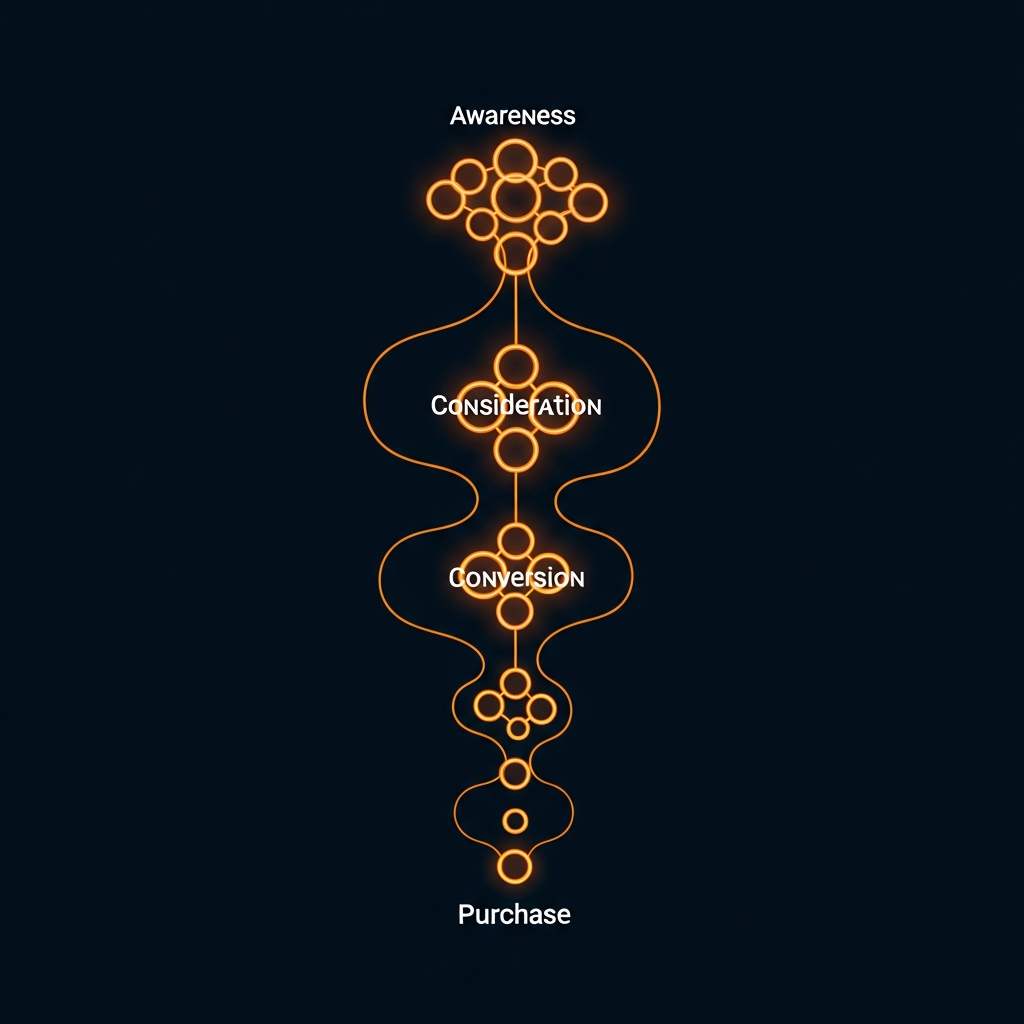
The problem isn't the channel. It's the strategy. Customers often move among search, social, video, websites, and email before deciding to call. If you're only fishing in one spot, you may miss important parts of that journey.
What is omni-channel marketing?
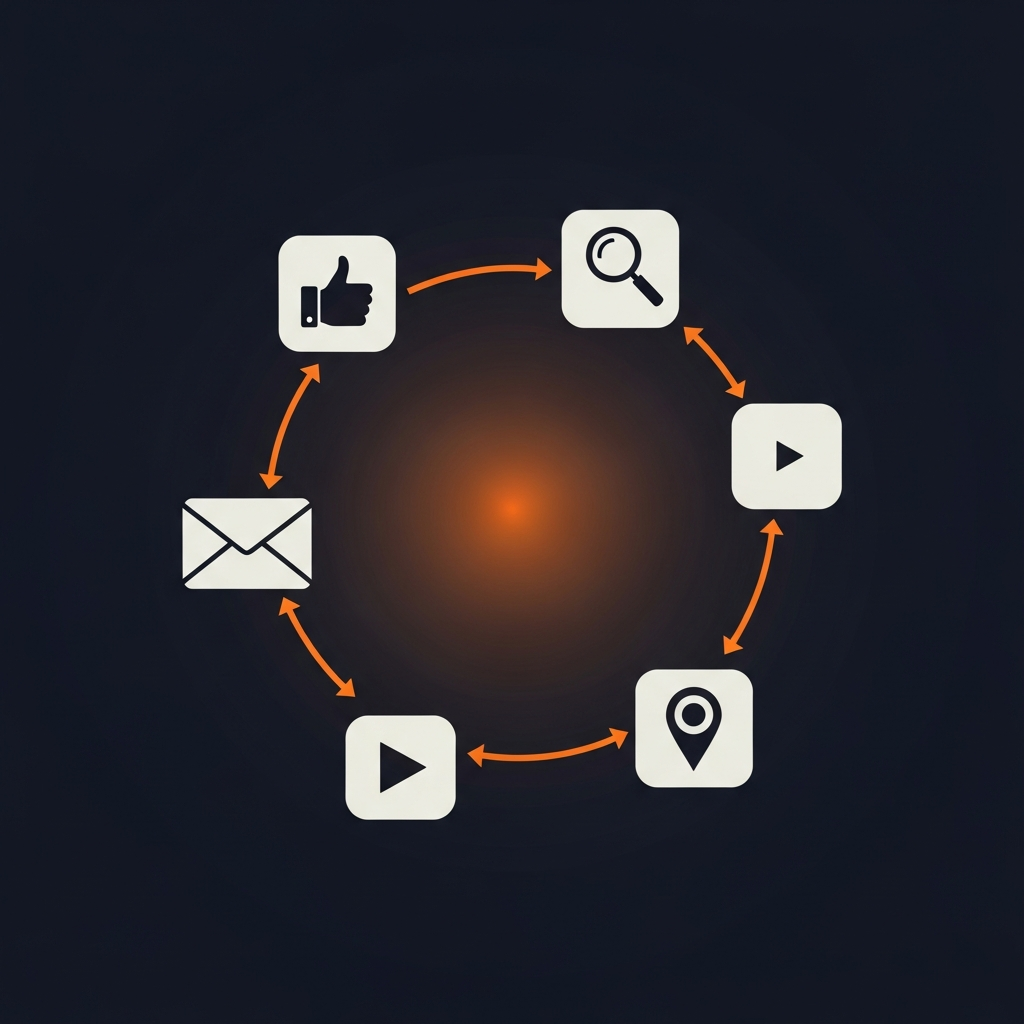
Omni-channel marketing means using multiple advertising channels in concert — with a unified message, shared data, and a strategy built around the customer's journey rather than any single platform's algorithm.
It's not just "being on Facebook and Google." It's making those channels talk to each other. Someone clicks your Google ad, visits your site, and leaves. With an omni-channel approach, they now see your retargeting ad on Instagram, a display ad on the news site they read, and a YouTube pre-roll before their next video. You're not chasing them — you're simply showing up everywhere they already are.
Multi-Channel
Channels that work in silos
Campaigns run on separate platforms with no shared data or unified message. Creative on Facebook has nothing to do with your Google ad. Each channel is its own island.
Omni-Channel ✓
Channels that amplify each other
The customer is at the center. Every channel shares data, reinforces the same message, and advances the buyer toward conversion — no matter where they are in their journey.
Why it works: 3 real advantages
Better data, smarter decisions
Single-channel marketing gives you a sliver of the picture. Omni-channel gives you a 360° view of the customer journey — so you know exactly where to put your budget.
Mitigate your marketing risk
Depending on one channel is marketing malpractice. Spread your dollars across several, then double down on what converts. Same logic as diversifying a stock portfolio.
Higher ROAS, lower cost per lead
Each channel makes the others work harder. Retargeting your Google visitors on Facebook, for example, turns first-touch clicks into conversions they wouldn't have produced alone.
The channels that matter
Google Search & Display
Capture people actively searching for what you offer.
Paid Social (Facebook, Instagram, LinkedIn)
Target by demographics, interests, and look-alike audiences.
Programmatic Display
Serve banner ads across millions of sites with precision targeting.
Geofencing Marketing
Reach people based on physical locations — competitor shops, events, your own store.
YouTube / OTT / Pre-Roll Video
Video ads on streaming platforms where cord-cutters spend their time.
Site Retargeting
Re-engage visitors who left your site and compare assisted conversions with other channels.
SEO & Content
Long-term organic traffic that compounds over time.
Email Marketing
Nurture leads and keep customers coming back at the lowest cost per touch.
How to build your strategy
Map the customer journey
Before picking any channel, ask: where do your customers go to find what you offer? Are they searching Google? Scrolling Instagram? Watching YouTube tutorials? Your answer dictates where you fish.
Build buyer personas
A 33-year-old mom searching for a family dentist behaves differently than a 55-year-old business owner looking for a commercial roofer. Different personas = different channels, different creative, different offers.
Measure everything
Set up conversion tracking across every channel before you spend a single dollar. Without it, you're fishing blind. With it, you can cut what doesn't work and double down on what does.
"Focusing on one exclusive digital channel is marketing malpractice. Spread your dollars, measure the results, and reallocate to what converts."